
Supporting Nutrition, Growth and Healthy Relationships with Food
From infancy through adolescence, nutrition plays an important role in growth, development and overall well-being. Feeding challenges, restricted eating, medical conditions and concerns about weight or body image can make meeting nutritional needs more difficult.
At Magic Beans Therapy Centre, we provide individualised, evidence-informed nutrition assessment and care for infants, children and adolescents. We work alongside families and, when appropriate, Speech Therapists, Occupational Therapists, psychologists and medical professionals to develop realistic strategies that fit each child’s needs.
1. Fussy Eating, Feeding Difficulties & Restricted Diets
We help families understand whether selective eating or feeding difficulties are affecting nutritional intake, growth or mealtime well-being.
We can help with:
- Fussy or selective eating, including a limited range of accepted foods
- Avoidance of particular textures or food groups
- Poor appetite, low intake or mealtime challenges
- Difficulty progressing to age-appropriate foods and textures
- Nutritional gaps related to food restrictions, allergies or feeding difficulties
Dietetic support may include
- Assessment of food intake, growth and nutritional adequacy
- Practical meal and snack strategies and suitable food alternatives
- Advice on nutritional supplements when needed
- Joint care planning with feeding therapists where appropriate
2. Nutrition for Developmental & Medical Conditions
Some children and adolescents have additional nutritional needs related to developmental differences, medical conditions or gastrointestinal concerns.
- Nutrition support for autism spectrum disorder, cerebral palsy, Down syndrome and developmental delay
- Assessment of energy, protein and micronutrient needs
- Nutrition strategies for medically restricted diets and gastrointestinal symptoms
- Monitoring growth and nutritional status in collaboration with the treating team
3. Growth, Clinical Nutrition & Tube Feeding
Specialised nutrition care can help when growth is slower than expected or oral intake is insufficient to meet nutritional needs.
- Faltering growth, poor weight gain, underweight and nutritional deficiencies
- Nutrition support for swallowing difficulties and prescribed texture-modified diets
- Assessment of specialised formulas, oral nutritional supplements and enteral feeding regimens
- Monitoring nutritional adequacy during transitions between tube feeding and oral intake, in coordination with the medical and feeding team
4. Adolescent Nutrition, Weight Concerns & Eating Disorders
Adolescence brings significant physical, emotional and social changes. Nutrition care is tailored to developmental needs and supports a positive relationship with food, without unnecessary dietary restriction or weight stigma.
We can help with:
- Nutrition during puberty, periods of rapid growth and changing activity levels
- Weight and growth concerns, including underweight, overweight and weight-related health risks
- Disordered eating, restrictive eating, meal skipping and anxiety around food
- Eating disorders, including Anorexia Nervosa (AN), Avoidant/Restrictive Food Intake Disorder (ARFID), Bulimia Nervosa (BN) and other specified eating disorders
Our approach
- Individualised nutritional assessment, meal support and monitoring of growth or nutritional rehabilitation where indicated
- Developmentally appropriate, non-judgemental guidance for adolescents and caregivers
- Family involvement, including principles informed by Family-Based Treatment (FBT) when appropriate
- Coordination with physicians and mental health professionals; eating disorder care may require a specialist multidisciplinary team and medical monitoring
Meet Our Dietitian
Grace Quek | Principal Dietitian
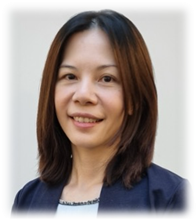
Grace is an experienced dietitian with over 20 years of clinical practice across paediatric, adolescent and clinical nutrition. She previously served as a Principal Dietitian at KK Women’s and Children’s Hospital, where she worked for approximately 17 years and led dietetic care in adolescent eating disorders. Her clinical experience spans infant and child feeding, growth concerns, complex medical nutrition, and nutrition support for young people with disordered eating and eating disorders.
Grace takes a practical, compassionate and family-centred approach, working with children, adolescents, caregivers and multidisciplinary teams to develop nutrition plans that are safe, realistic and sustainable. She is also an Associate Faculty member at the Singapore Institute of Technology (SIT), where she teaches undergraduate dietetic students in toddler and preschool nutrition, child and preadolescent nutrition, and adolescent nutrition. Her teaching complements her extensive clinical experience and commitment to evidence-based care.
Qualifications & Professional Background
- Bachelor of Science in Dietetics — University of Wisconsin–Stevens Point
- Master of Science in Nutrition Education — Rosalind Franklin University of Medicine and Science
- Registered Dietitian/Nutritionist (RDN) — registration status and preferred credential wording to confirm before publication
- Specialised training in Family-Based Treatment (FBT) for adolescent eating disorders
- Associate Faculty, Singapore Institute of Technology (SIT), teaching undergraduate dietetic students in toddler and preschool nutrition, child and preadolescent nutrition, and adolescent nutrition
Areas of Clinical Expertise
- Infant, child and adolescent nutrition
- Feeding difficulties, selective eating and ARFID
- Growth faltering and nutrition support for medical or developmental conditions
- Enteral nutrition and specialised feeding regimens
- Paediatric and adolescent weight management
- Disordered eating and eating disorders, including anorexia nervosa
What Happens During a Consultation?
Initial Assessment
The first consultation is tailored to the child or adolescent and may include a review of medical and developmental history, dietary intake, feeding or eating patterns, growth trends, nutritional adequacy, family routines and relevant concerns. We discuss priorities together and develop an individualised nutrition care plan.
Follow-Up Support
Follow-up appointments review progress and adjust recommendations as needs change. Depending on the concern, this may include meal planning, nutrition supplementation, feeding-regimen adjustments, growth monitoring, caregiver guidance or coordination with other treating professionals.
Working Together as a Team
Nutrition and feeding often involve more than one area of care. Our dietitian may collaborate with Speech Therapists on feeding and swallowing concerns, Occupational Therapists on sensory and functional mealtime needs, and medical or mental health professionals for complex nutrition concerns and eating disorders.
Frequently Asked Questions
When should my child or teenager see a dietitian?
Consider an assessment if there are concerns about growth, weight changes, restricted food choices, nutritional deficiencies, feeding difficulties or an increasingly stressful relationship with food.
Can a dietitian help with fussy eating or ARFID?
Yes. A dietitian can assess nutritional adequacy and support practical ways to meet nutrition needs. For ARFID, coordinated input from medical, psychological and feeding professionals may also be important.
Do you support adolescents with eating disorders?
Yes. Nutrition care can be provided for adolescents with disordered eating and eating disorders, including anorexia nervosa and ARFID, alongside appropriate medical and mental health care.
What is the difference between a dietitian and a feeding therapist?
A dietitian focuses on nutritional intake, growth and dietary management. Feeding therapists address feeding skills, swallowing, sensory processing and mealtime participation within their professional scope.
Does my child need both feeding therapy and dietetic support?
Not always. Some children need only one service; others benefit from a coordinated approach when both feeding skills and nutritional intake are affected.
Can you support children who are tube-fed?
Yes. Dietetic input can include nutritional requirements, enteral feeding plans and growth monitoring, coordinated with the child’s treating medical team.
Book a Nutrition & Dietetics Consultation
Whether you are concerned about feeding, growth, weight or eating behaviours, our team can help you identify the next steps. Contact Magic Beans Therapy Centre to enquire about Nutrition & Dietetics appointments for infants, children and adolescents.

